
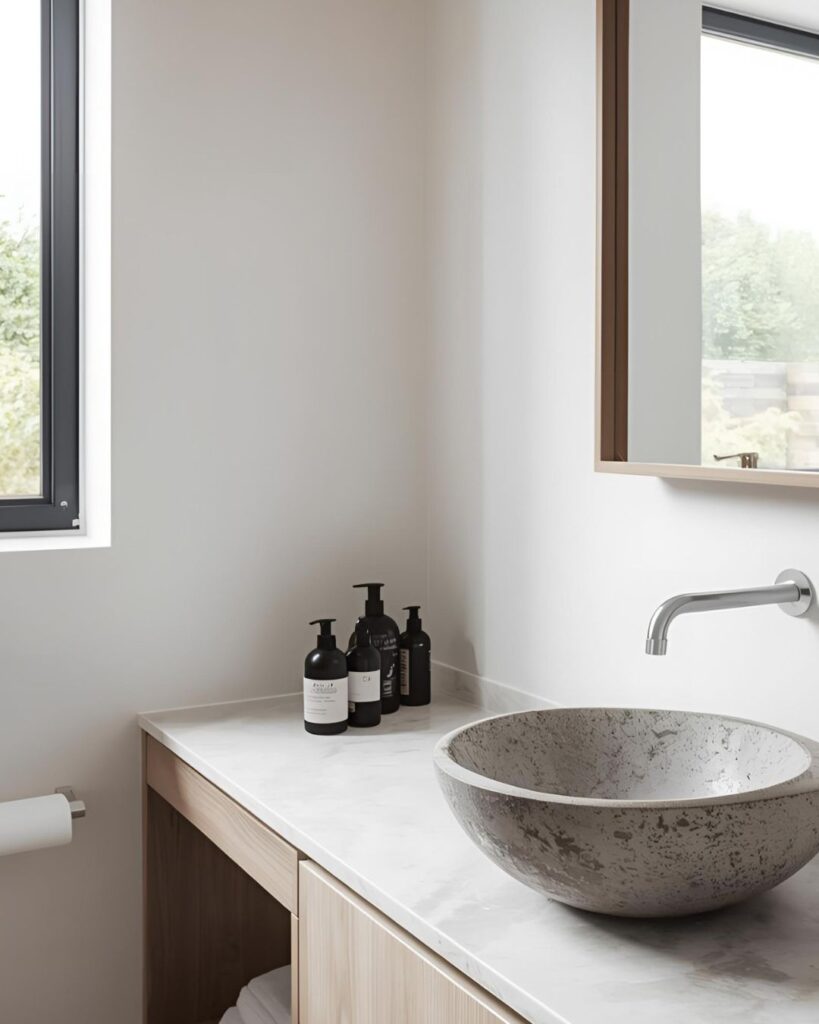
Electric Underfloor Heating in Brighton: Is It Worth the Investment?
There is something undeniably luxurious about stepping onto a warm floor on a cold morning. Electric underfloor heating has moved from high-end luxury to mainstream home improvement, and Brighton homeowners are increasingly considering it as part of renovations, bathroom upgrades, and kitchen refits. But is it actually worth the investment, or is it an expensive comfort that sounds better on paper than it performs in practice?
As local electricians who have installed underfloor heating systems across Brighton for years, we are well placed to give you an honest, balanced view. The answer depends on your property, your expectations, and how you plan to use it.
How Electric Underfloor Heating Works
Electric underfloor heating uses thin heating cables or mats installed beneath your floor surface. When switched on, electricity passes through the cables, generating heat that radiates upward through the floor. The system connects to your electrical supply and is controlled by a thermostat, usually with a programmable timer so you can set it to warm rooms before you wake up or arrive home.
There are two main types. Heating mats consist of pre-spaced cables fixed to a mesh, designed for regular-shaped rooms and straightforward installation beneath tiles. Loose cable systems use individual cables that can be laid in custom patterns, better suited to irregular room shapes, around obstacles, or in smaller spaces. Both types sit within tile adhesive or a thin layer of self-levelling compound, adding minimal height to your floor, typically just 3-5mm. This makes electric underfloor heating particularly suitable for renovation projects where raising floor levels significantly would create problems with door clearances and thresholds.
Installation Costs: What Brighton Homeowners Can Expect
Installation costs vary depending on room size, system type, and the complexity of the electrical work required. As a general guide, the heating mat or cable system itself typically costs between £40-70 per square metre. A quality thermostat with programming capabilities adds £80-200 depending on features, with smart thermostats at the higher end. Professional installation labor, including electrical connection and testing, usually runs £200-400 per room for straightforward installations.
For a typical Brighton bathroom of 4-6 square metres, total installation costs including materials and labor generally fall between £400 and £700. A larger kitchen of 12-15 square metres might cost £800-1,400 fully installed. These figures assume the floor is already prepared and ready for the heating system, which is usually the case during a renovation or refit.
Compared to wet underfloor heating systems that use hot water pipes, electric systems are significantly cheaper and simpler to install. There is no need for manifolds, pumps, or connections to your central heating system. This makes electric underfloor heating accessible for individual room projects rather than requiring a whole-house commitment.
Running Costs: The Question Everyone Asks
Running costs are the most common concern, and rightly so. Electric heating is more expensive per unit of energy than gas, which leads many people to assume underfloor heating must be expensive to run. The reality is more nuanced.
Electric underfloor heating uses relatively little power because it heats a thin layer beneath the floor rather than warming large volumes of air. A typical bathroom system of around 5 square metres uses approximately 600-750 watts, roughly equivalent to a few light bulbs. Running this system for two hours in the morning and two hours in the evening costs approximately 30-50 pence per day at current energy rates. Over a typical heating season of six to seven months, a bathroom system costs around £55-100 to run annually.
Larger rooms cost proportionally more. A 15 square metre kitchen system running for similar periods might cost £150-250 annually. These costs assume the system is used as supplementary heating alongside your main central heating, which is how most Brighton homeowners use electric underfloor heating. Using it as your sole heat source increases costs considerably and is generally only practical in very well-insulated properties.
Effective thermostat use dramatically affects running costs. A programmable thermostat that heats rooms only when needed, combined with the thermal mass of tile or stone floors that retain warmth after the system switches off, means you get extended comfort from relatively short heating periods. Smart thermostats that learn your routine and adjust automatically can reduce costs further.
Is It Suitable for Brighton Properties?
Brighton’s diverse housing stock raises important questions about suitability. The good news is that electric underfloor heating works well in most property types, though some considerations apply.
Victorian and Edwardian Terraces
Brighton’s iconic Victorian and Edwardian terraces, found throughout areas like Hanover, Kemptown, and Seven Dials, are well suited to electric underfloor heating in bathrooms and kitchens. These properties often have solid floors at ground level and timber floors upstairs. Electric systems work on both, though timber floors require insulation boards beneath the heating cables to direct heat upward rather than losing it downward. The minimal floor height increase is particularly valuable in period properties where maintaining door clearances and architectural proportions matters.
Flats and Apartments
Brighton has a large number of flats, from converted period buildings along the seafront to modern developments in the Marina and North Laine. Electric underfloor heating is ideal for flats because it requires no modifications to communal heating systems, no pipework alterations, and no structural changes. It is a self-contained electrical installation that needs only a power supply and thermostat. For upper-floor flats, insulation beneath the system prevents heat loss to the flat below and is both courteous to neighbors and essential for efficiency.
Modern Properties
Newer properties in areas like Hollingbury, Bevendean, and recent developments along the seafront benefit from better insulation standards, making underfloor heating more efficient. Modern concrete subfloors provide excellent thermal mass, storing and slowly releasing heat for extended comfort. These properties often achieve the best running cost results because less energy is lost through the building fabric.
Where It Makes the Most Sense
Electric underfloor heating delivers its best value in specific situations. Bathrooms are the most popular and practical application. Warm tiles underfoot after a shower or bath provide genuine daily comfort. Bathrooms are typically small, keeping installation and running costs low, and the tiled floors conduct heat beautifully. Most Brighton homeowners who install underfloor heating in their bathroom consider it one of the best improvements they have made.
Kitchens with tiled or stone floors are another excellent application, especially open-plan kitchen-diners where eliminating radiators frees up wall space for units and furniture. Conservatories and garden rooms benefit significantly from underfloor warmth, particularly during spring and autumn when these spaces might otherwise feel too cold to use comfortably.
En-suites and cloakrooms, where space is limited and radiators are impractical, represent ideal candidates. The small square footage means minimal installation cost and negligible running costs for a noticeable comfort improvement.
Where It Might Not Be Worth It
Honesty matters, so here are the situations where electric underfloor heating may not represent the best use of your budget. Carpeted rooms reduce the effectiveness significantly because carpet insulates against the rising heat. If you plan to keep thick carpet, underfloor heating will work but less efficiently, and you may find the warmth disappointing compared to hard floors.
Very large open areas used as primary heating become expensive to run electrically. For whole-house heating in larger Brighton properties, a wet system connected to your boiler or a heat pump is more cost-effective, though significantly more expensive to install. If your property has poor insulation, particularly older buildings with single glazing and uninsulated walls, underfloor heating will work harder and cost more to maintain comfortable temperatures. Improving insulation first delivers better overall value.
Rooms rarely used may not justify the installation cost. A spare bedroom used occasionally offers less return than a bathroom used daily. Prioritize rooms where you spend the most time on hard floors.
The Property Value Question
Brighton’s competitive property market means every improvement counts. Underfloor heating is consistently listed among the features buyers find most attractive, particularly in bathrooms and kitchens. While it is difficult to put a precise figure on added value, estate agents across Brighton confirm that underfloor heating is viewed positively and contributes to the overall impression of a well-appointed, modernized home.
For landlords, underfloor heating in bathrooms can make rental properties more attractive to tenants, particularly in the competitive student and young professional market around the university areas, London Road, and the city center. The improvement is visible and tangible, differentiating your property from others.
Reliability and Maintenance
One of the strongest arguments for electric underfloor heating is its reliability. With no moving parts, pumps, or water, there is essentially nothing to go wrong. Quality systems from reputable manufacturers carry warranties of 15-25 years, and many systems last significantly longer. Once installed and tested, the system requires zero maintenance. There are no annual services, no bleeding radiators, and no concerns about leaks.
The thermostat is the only component likely to need attention over the system’s lifetime, and modern thermostats are robust and easily replaceable. This long-term reliability means your initial investment continues delivering comfort for decades without additional expenditure.
The Importance of Professional Installation
While the heating mats themselves are straightforward, the electrical connection must be completed by a qualified electrician. This ensures safety, compliance with Part P building regulations, and validates your manufacturer warranty. Improper installation can damage cables, create safety hazards, and void warranties entirely.
A professional electrician also ensures correct cable spacing for even heat distribution, proper insulation beneath the system for maximum efficiency, appropriate circuit protection, and accurate thermostat calibration. These details make the difference between a system that performs brilliantly and one that disappoints.
Our Verdict: Is It Worth It?
For most Brighton homeowners installing electric underfloor heating in bathrooms, kitchens, or en-suites as supplementary heating, the answer is yes. The installation cost is modest compared to many home improvements. Running costs are manageable and predictable. The daily comfort is genuine and appreciated every time you step onto a warm floor. The system adds value to your property and requires no maintenance for decades.
The key is matching the system to the right application. Bathrooms and kitchens with hard floors, used as supplementary heating controlled by a good thermostat, deliver excellent value. Whole-house primary heating on electricity, or installation beneath thick carpet, delivers poor returns.
If you are renovating a bathroom or kitchen in your Brighton home, adding electric underfloor heating during the project costs relatively little when floors are already being replaced and represents one of the most satisfying upgrades you can make.
Ready to Explore Underfloor Heating?
If you are considering electric underfloor heating for your Brighton property, we can help you decide whether it suits your situation and provide a detailed quotation for supply and installation. We assess your room, recommend the most suitable system, and complete installation to the highest standards with full electrical certification.
Contact us today for a no-obligation consultation. We will give you honest advice on whether underfloor heating is the right choice for your home and budget.
Get in touch to discover how electric underfloor heating could transform your Brighton home.